
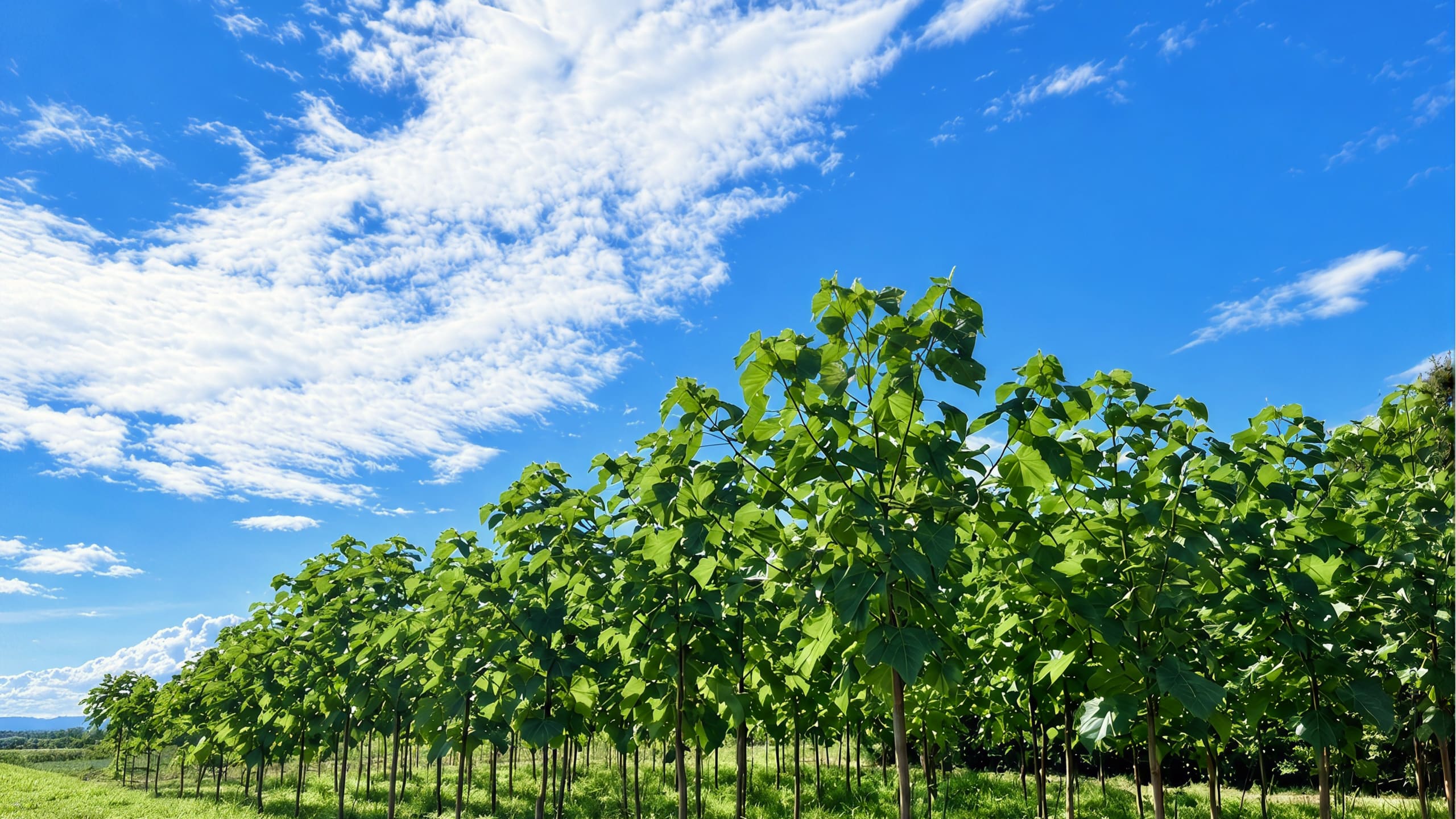
Turning abandoned farmland into regional GX assets.
From Japaulownia, a fast-growing paulownia that matures in about five years, to timber, biochar, energy and carbon credits. Japaulownia Inc. is building a sustainable future in Japan through a regional circular GX model: plant, grow, use and regenerate.
ジャパロニア (Reg. No. 6953715), JAPAULOWNIA (Reg. No. 6953716) and 早成桐 (Reg. No. 5855583) are registered trademarks of Japaulownia Inc. in Japan.
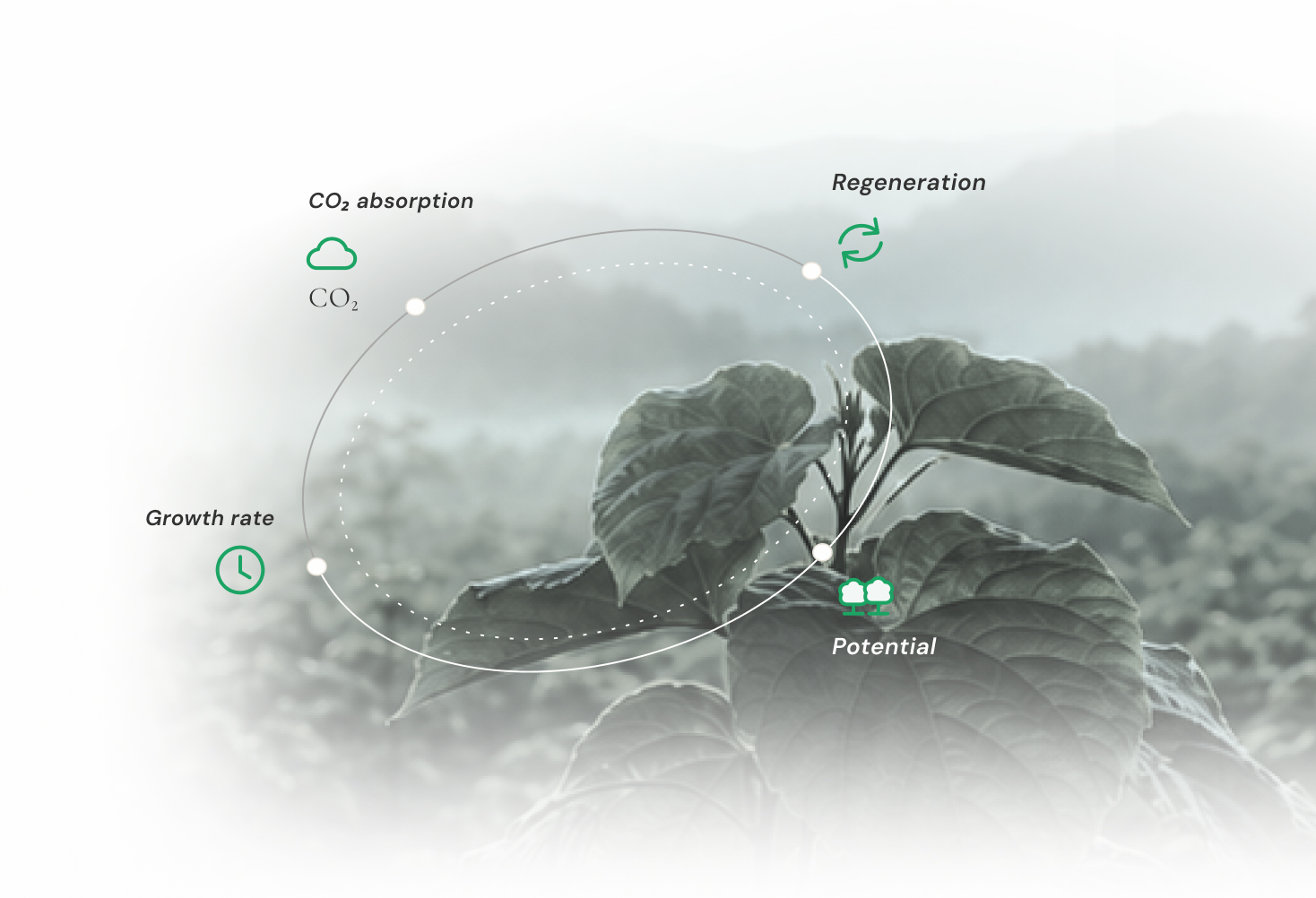
The potential of Japaulownia,
in numbers
Paulownia grows fast. Quantitative data on CO₂ absorption, regeneration cycles, economic impact and the potential use of abandoned farmland underpin both the feasibility and the future of this business.

to harvest
Far faster than typical hardwoods (20–50 years), turning land into a usable resource in a short cycle.

60kg
CO₂ absorbed (per tree / year)
Roughly five times the CO₂ absorption of Japanese cedar, contributing to a decarbonized society.

of regeneration
The tree regrows after harvest and can be used again and again, enabling a sustainable resource cycle.

abandoned farmland potential
Equivalent to about 10% of Japan’s abandoned farmland could be put to use.
Japaulownia in 30 seconds
Japaulownia is not just a fast-growing tree. It is a regional circular system that moves the environment and the economy forward at the same time.

Grows fast
A fast-growing paulownia that grows far quicker than conventional varieties and aims to reach maturity in about five years.
Absorbs CO₂
Each tree is expected to absorb 40–60 kg of CO₂ per year, offering real decarbonization potential.
Regrows after harvest
The tree sprouts again from its stump after harvest and can be used through 4–5 cycles.
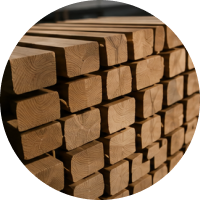
Wide range of uses
Timber, biochar and biomass fuel — with growing potential for cellulose and ethanol.
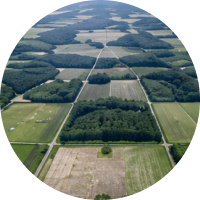
Builds local futures
Creates regional value through idle farmland use, local resource cycles, environmental education and co-creation with companies and municipalities.
Plant, grow, use, regenerate.
A regional circular GX model
Our business does not end with selling seedlings or planting trees. It is a system that keeps resources circulating sustainably within the region.



Plant
Plant paulownia on idle land in the region and create the forests of the future.
Grow
Nurture the trees locally and increase their value as a resource.
Visualize
Use RFID, drones and satellite data to measure CO₂ absorption and turn it into value.
Use
Turn local resources into products and services that create value.
Regenerate
Regenerate used resources and feed them into the next cycle.
Not just a tree that grows fast —
a system that creates value fast.
Japaulownia’s real strength goes beyond the growth of the tree itself. Because it can be turned into resources in a short period, it carries environmental value through CO₂ absorption; it has multiple outlets — timber, charcoal, fuel, new materials and credits; and it links solving regional challenges with a viable business.
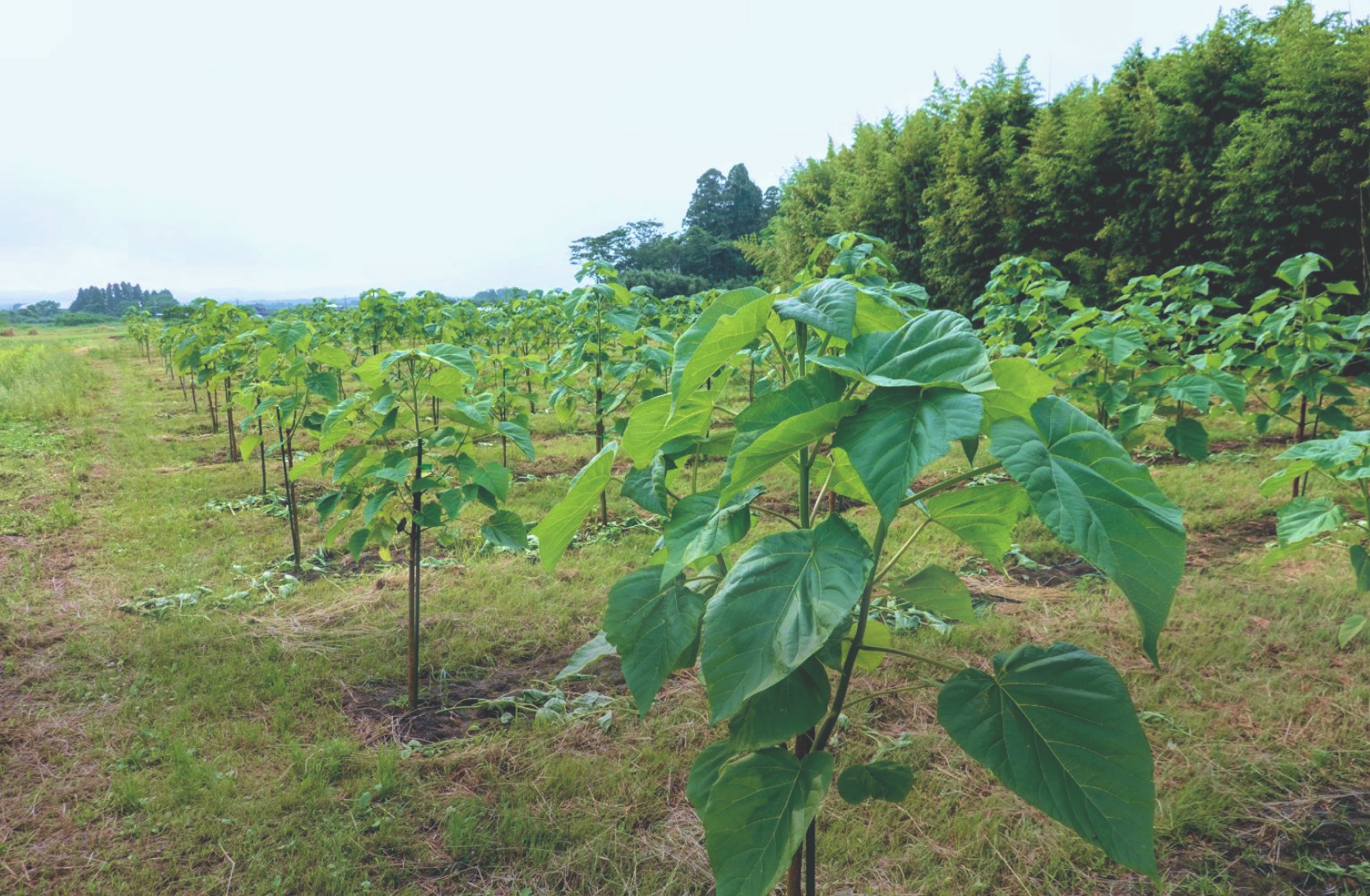
CO₂ absorption, biochar and carbon credits.
Environmental value
From CO₂ absorption to biochar and carbon credits. We make the act of planting visible as environmental value and support regional decarbonization.
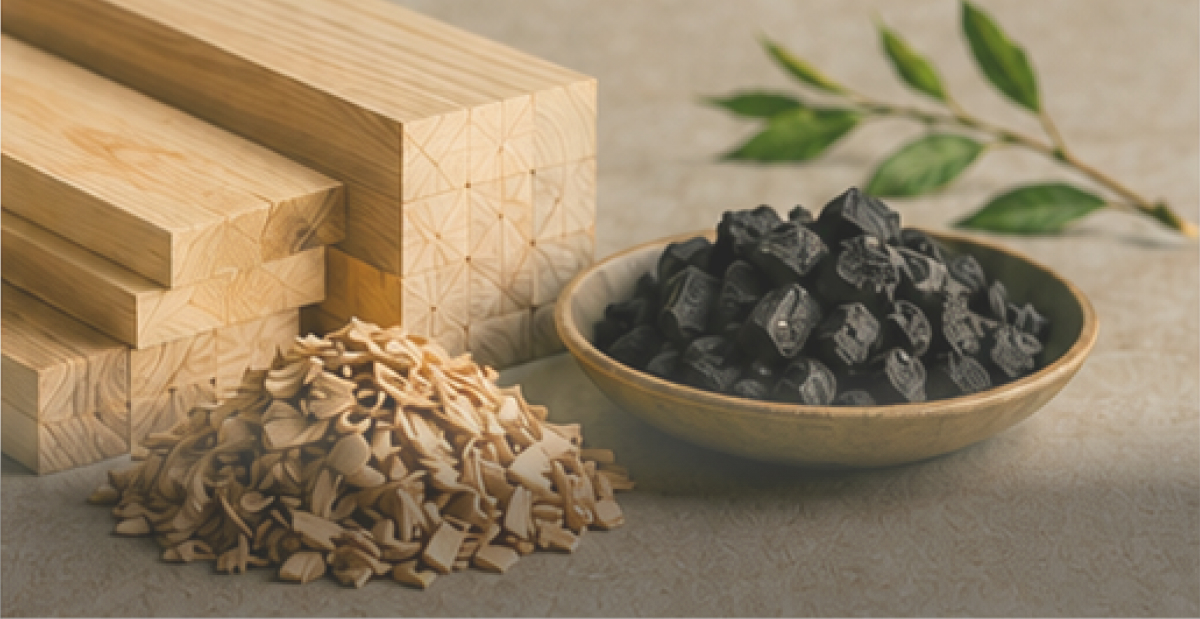
Timber, charcoal, biomass fuel and new materials.
Economic value
Timber, charcoal, biomass fuel and new materials. Turning the trees into resources that can be used locally creates an economic cycle on the land.
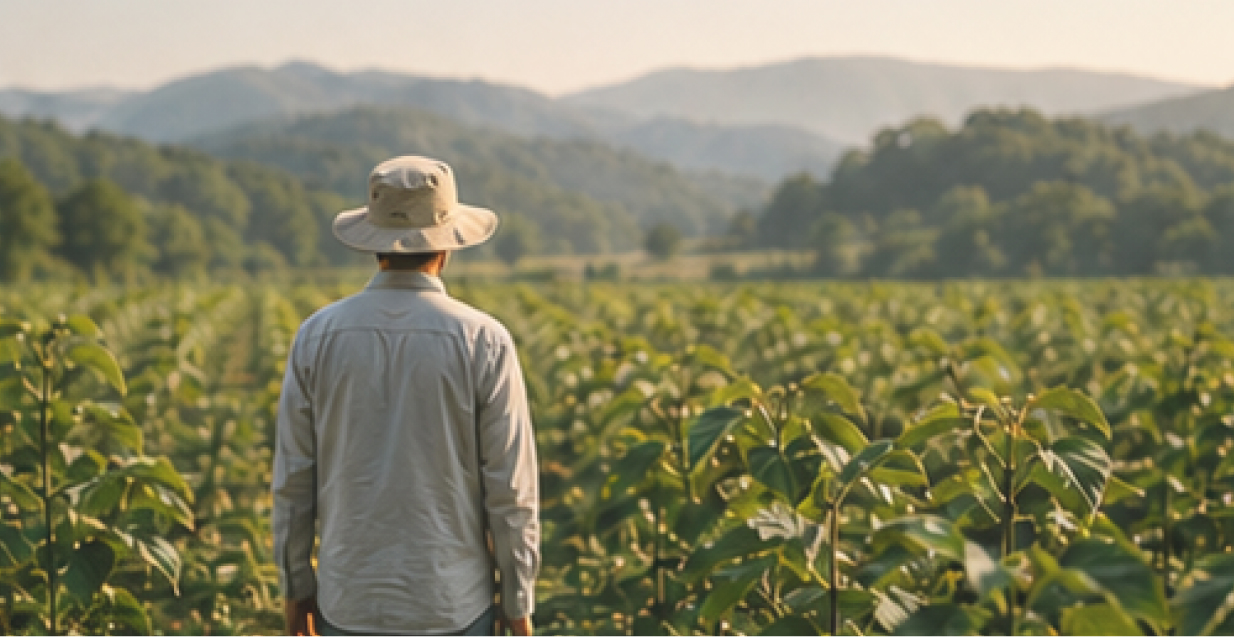
Idle farmland, education and co-creation.
Regional value
Idle farmland use, environmental education and co-creation with municipalities and companies. Land becomes the starting point for redesigning the relationship between people and their region.
Working together
with Japaulownia
Through environmental value, economic value and on-the-ground implementation, we build a sustainable future together with partners around the world.
For companies
Decarbonization & new businessPaulownia timber, biochar and carbon credits — solutions that support your decarbonization strategy, Scope 3 initiatives and new business creation.
Learn moreFor PartnersFor research & business partners
Research, pilots & co-creationTo scientifically validate the potential of paulownia and bring it into society, we are looking for partners in joint research, pilot projects and business co-creation.
Contact usFrom pilots to implementation:
projects with local communities
Together with municipalities and companies across Japan, we are implementing projects that connect tree planting, CO₂ visualization, resource use and education.
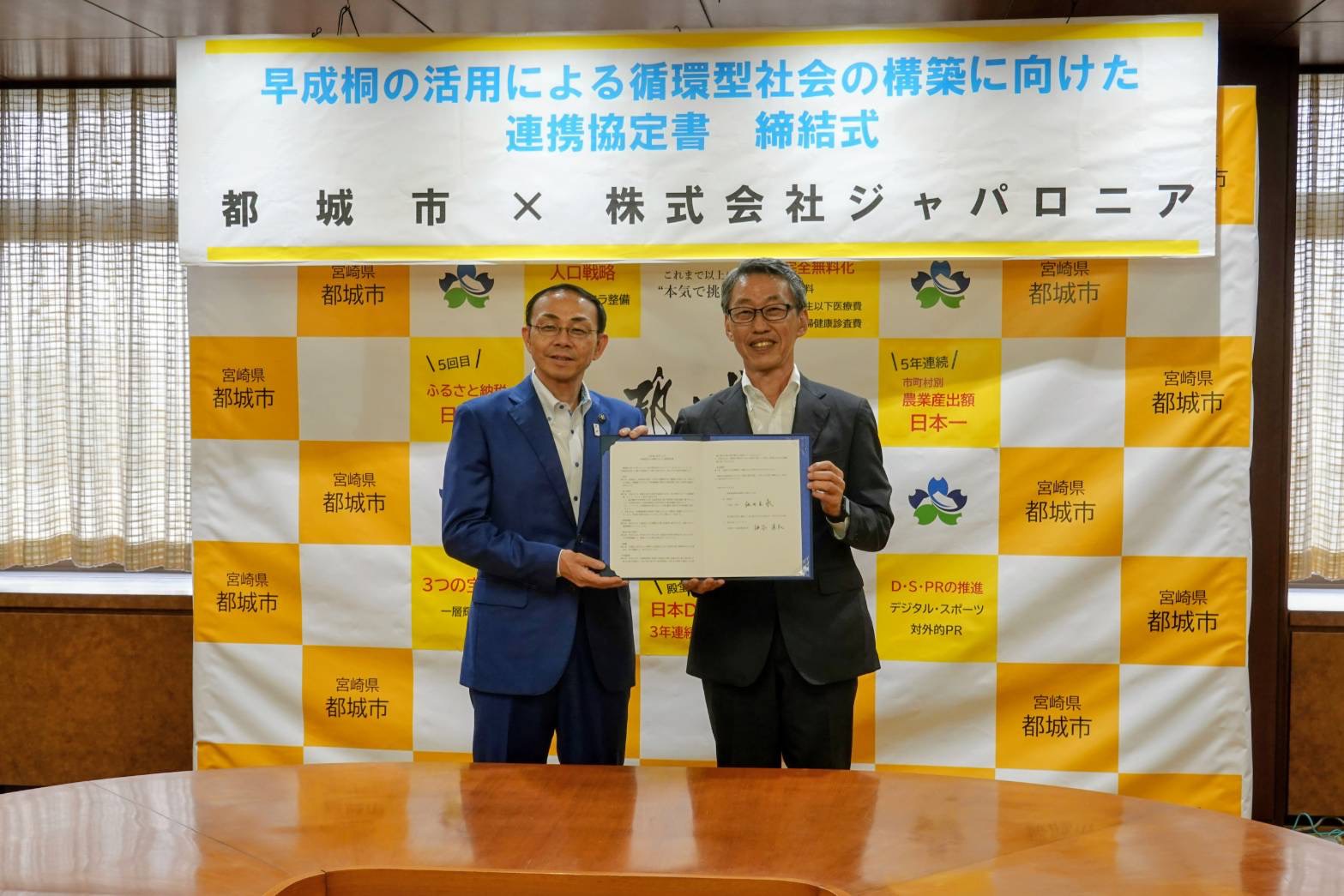
Miyakonojo
A circular society model built on fast-growing paulownia
On May 22, 2026, Miyakonojo City and Japaulownia Inc. signed a partnership agreement to build a circular society through the use of fast-growing paulownia.
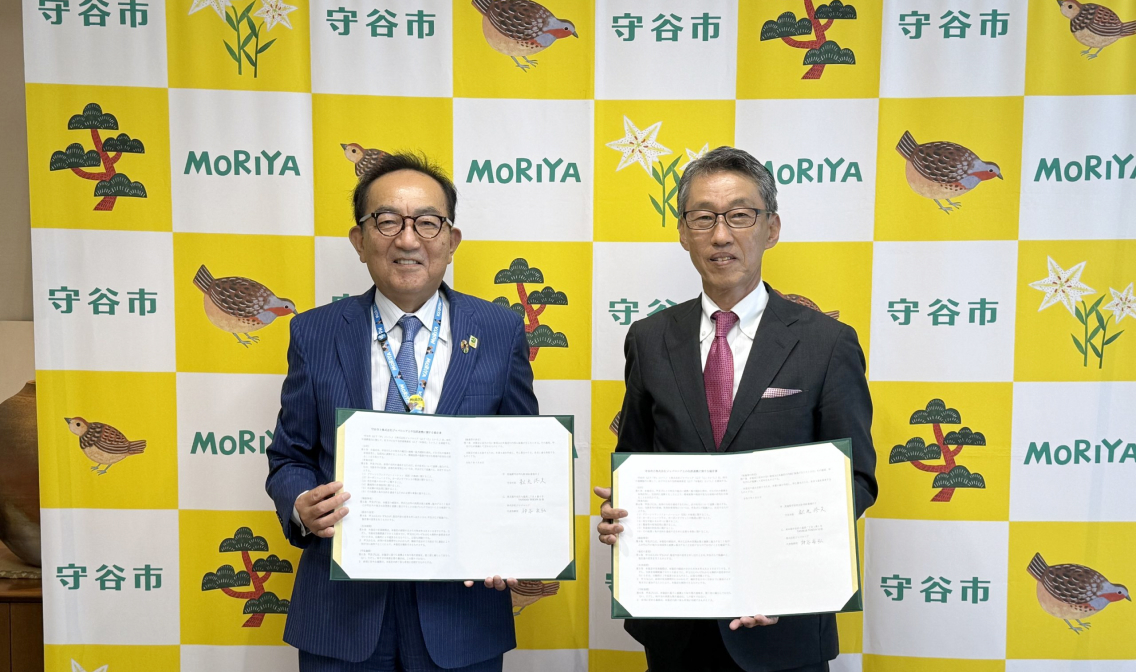
Moriya
A resident-participation GX model
A GX model in which residents take part — covering tree planting, visualization of CO₂ absorption, local use of wood resources and SDGs environmental education.
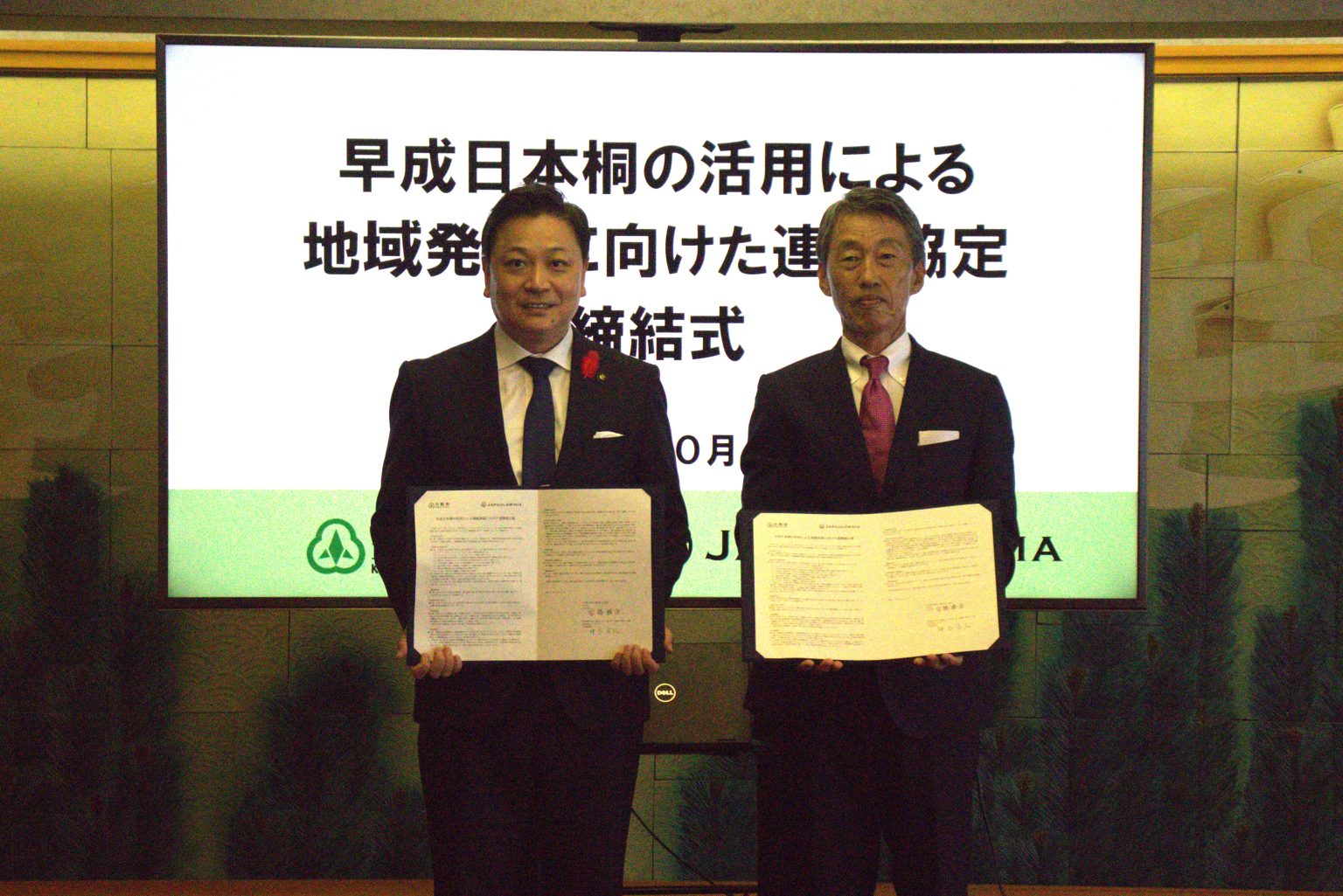
Komatsu
A municipality-led implementation model
A comprehensive partnership spanning GX, carbon neutrality, new-material research, biomass use, education and citizen participation.
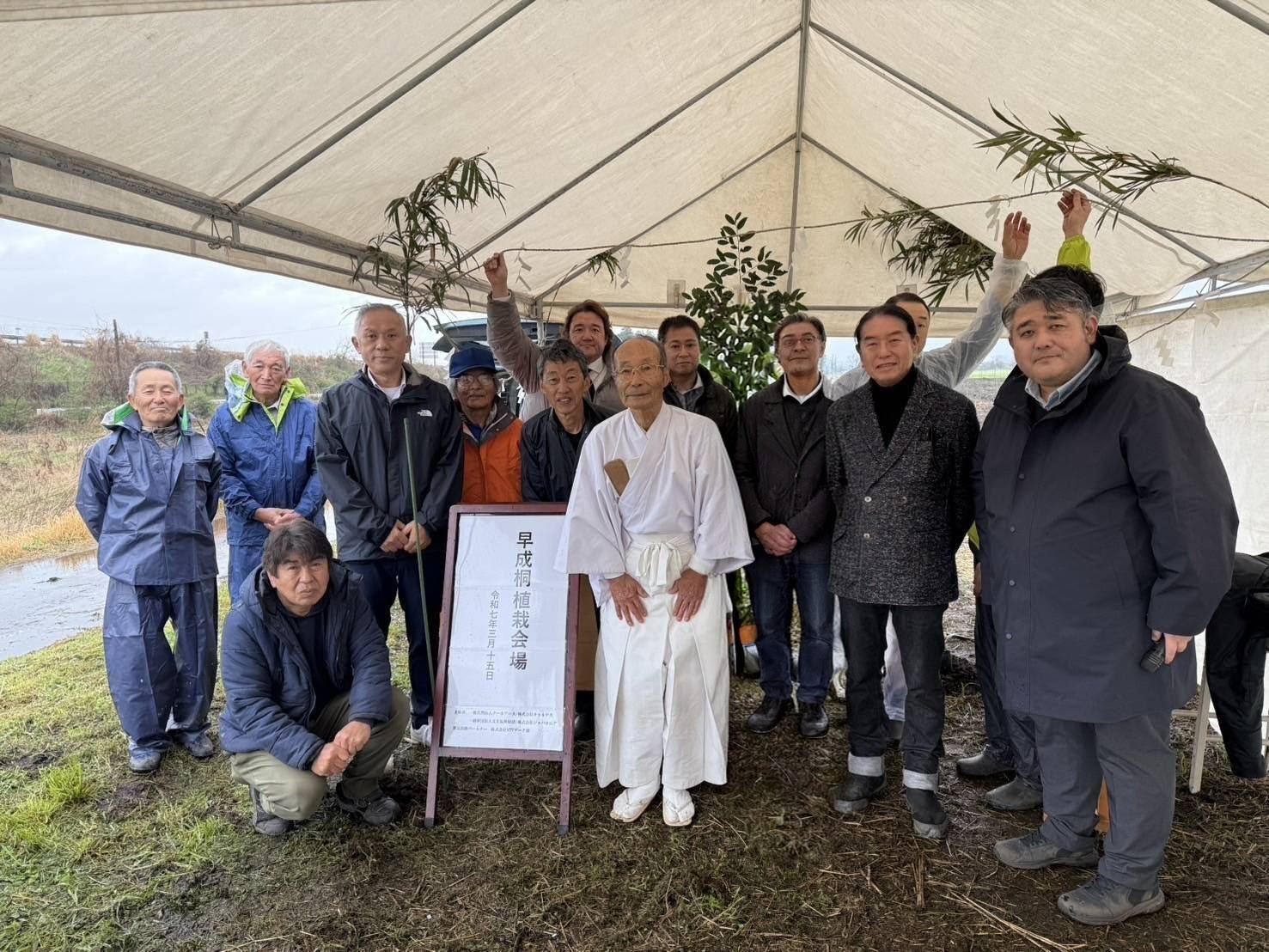
Miyakonojo
Pilot with NTT DATA
A pilot with NTT DATA for an overseas carbon credit application, along with verification of timber, charcoal, ethanol and credit businesses.

Let’s grow the future of the region together.
We welcome inquiries from companies about carbon credits, materials, joint pilots and business partnerships.
Our inquiry form is in Japanese, but you are welcome to write your message in English.